


Travel & On-the-Go Essentials
Stay powered on the go with INIU’s travel-ready essentials—compact and portable power banks, multi-port chargers and durable charging cables. Whether you're flying or road-tripping, the best portable charger for travel keeps your devices charged wherever you are.


For Urban & Daily Commutes


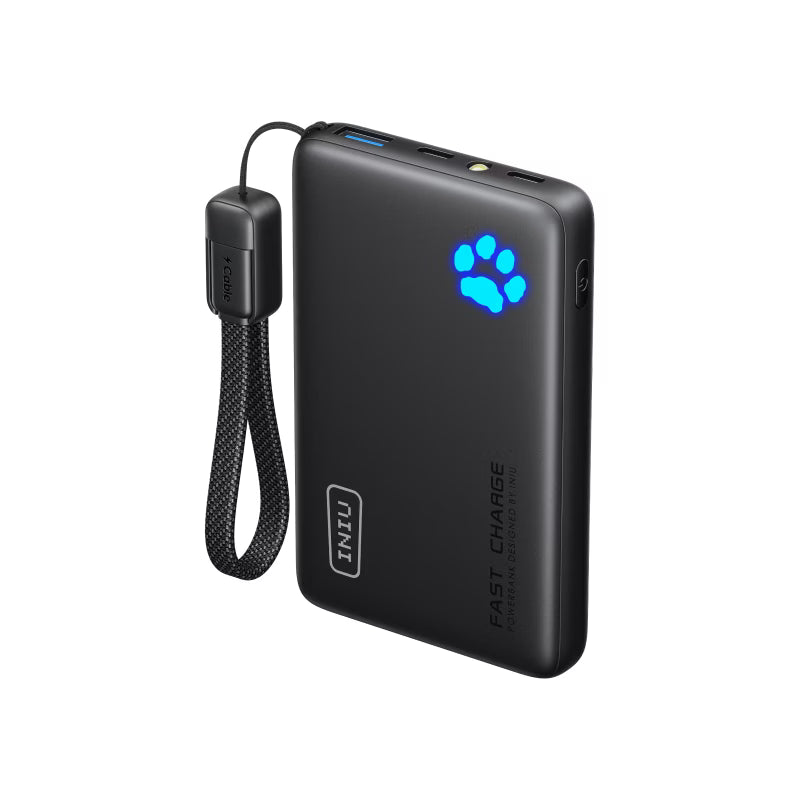
INIU Pocket Rocket Mini Power Bank 10000mAh 45W

INIU SnapGo Magnetic Power Bank 10000mAh 15W, Qi2 MagSafe


For Long Trips & Getaways

INIU Cougar P63 Laptop Power Bank Smallest 25000mAh 100W

INIU Cougar Smallest Power Bank 20000mAh 65W

INIU Carry Power Bank 20000mAh 45W
For Business & Work Trips
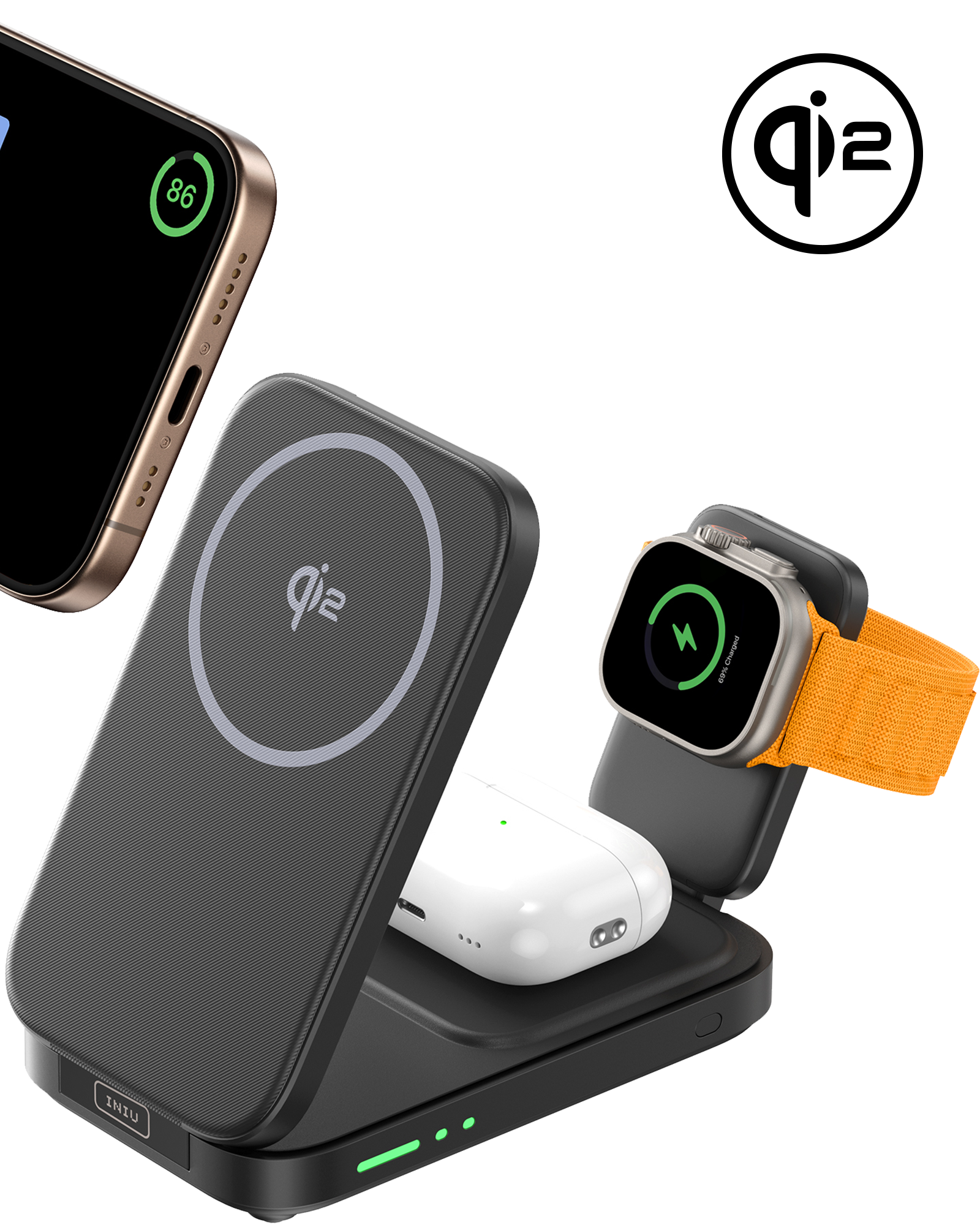
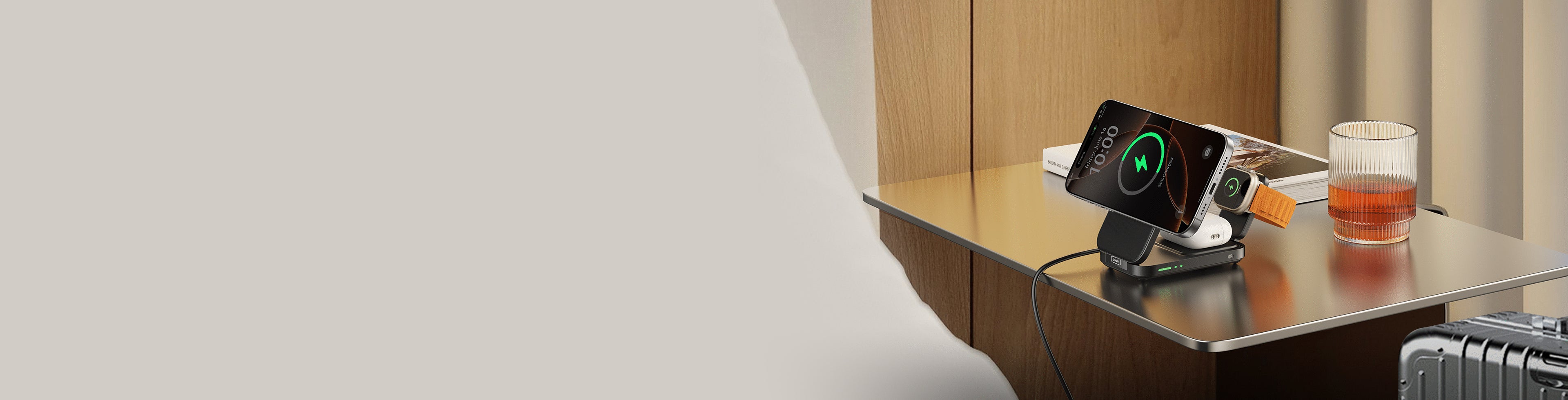
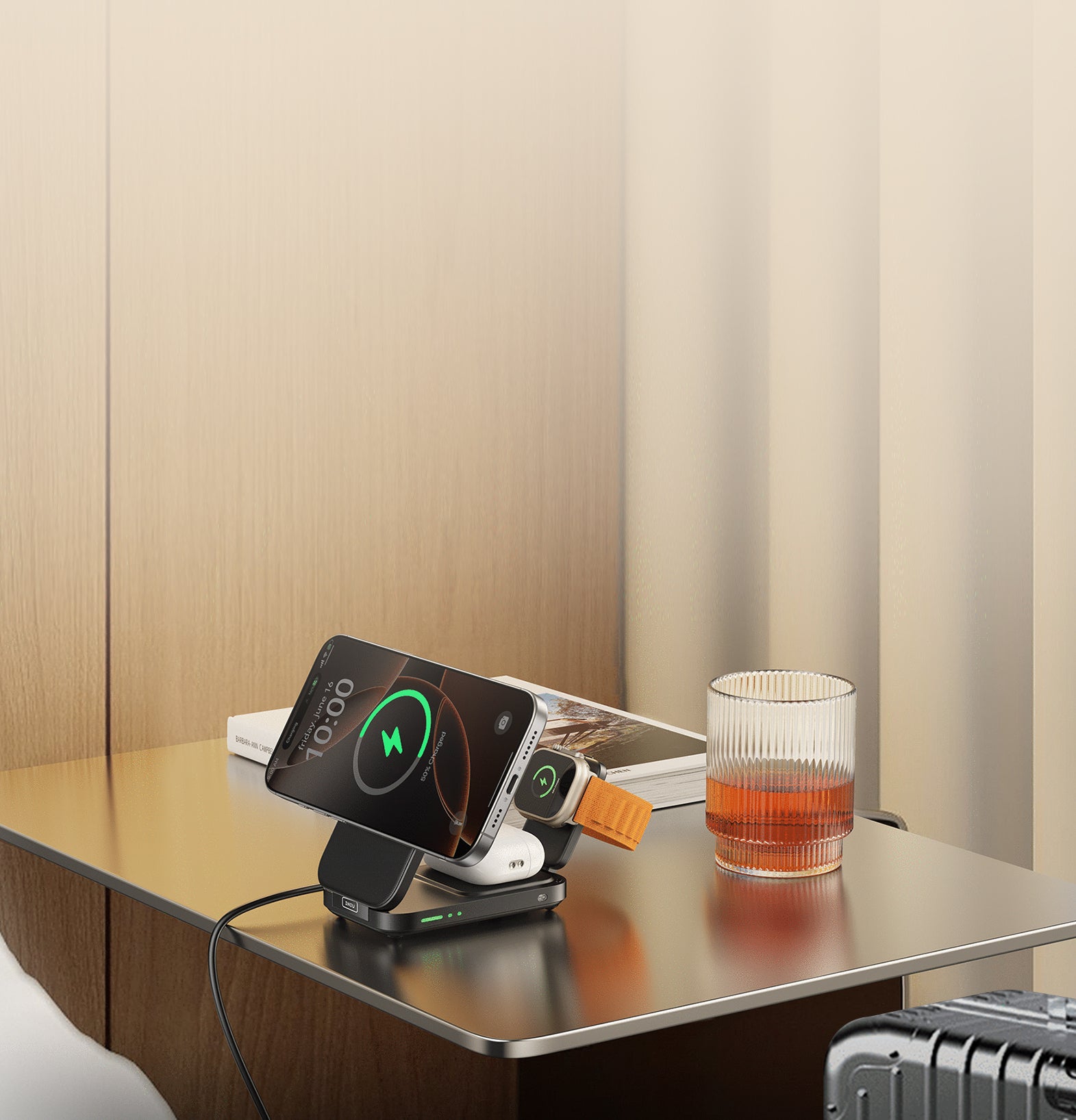
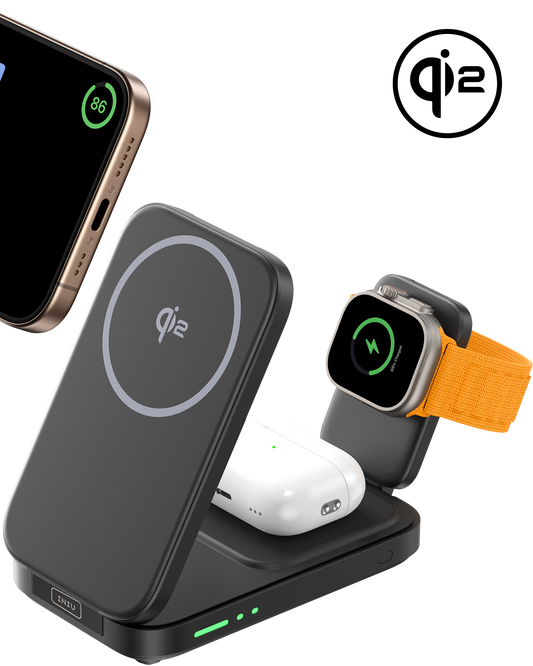
INIU SnapGo W31 Qi2 15W 3 in 1 Magnetic Foldable Wireless Charger

INIU Cougar Laptop Power Bank 25000mAh 140W, Fast Charging

INIU Cougar A11 100W GaN Charger

-
Sold out
-
-
Sold out
-
Sold out
-
 Sold out
 -
-
Sale
-
Sold out
-
 Sold out
 -
Sold out




FAQ about Travel & On-the-Go Essentials
1. Size and Portability:
For short trips, choose a smaller, lightweight power bank (10,000mAh to 20,000mAh). For longer trips, a larger capacity (20,000mAh+) provides more power but is bulkier.
2. Charging Speed:
Look for fast charging features like Quick Charge or USB-C Power Delivery to charge your devices quickly.
3. Number of Ports:
If you need to charge multiple devices, choose a power bank with multiple ports (USB-A and USB-C).
4. Durability:
Pick a durable power bank if you're traveling in rough conditions, as some models are built to withstand drops or water.
5. Brand and Price:
Choose reliable brands with good reviews for better quality, warranty, and support.
By considering these factors, you can pick the best power bank for your travel needs.
The largest TSA-approved power bank is typically limited to 100Wh (watt-hours) per device for carry-on luggage. This ensures safe transport on airplanes while providing enough capacity to charge smartphones, tablets, and other portable devices multiple times. Power banks above 100Wh usually require airline approval.
When choosing a large TSA-approved power bank, check the watt-hour rating and airline regulations. A high-capacity, certified power bank ensures safe, efficient charging while traveling, making it ideal for long flights or trips where outlets may not be available.
Carrying a power bank in checked luggage is prohibited by airlines and TSA regulations because lithium-ion batteries can short-circuit, overheat, or even catch fire under pressure and temperature changes in the cargo hold. If discovered, airport security may remove the power bank, delay your flight, or issue a fine.
To stay safe, always carry your power bank in your carry-on luggage. Make sure it complies with airline watt-hour limits and is a certified model. Keeping it in your carry-on not only minimizes safety risks but also allows you to easily charge your devices during the flight.
To travel safely with a power bank, always protect the terminals to prevent short circuits. You can cover them with tape, keep the power bank in a case, or place it in a plastic bag. Most airlines allow power banks up to 100 watt-hours (Wh), while larger batteries between 101–160 Wh require airline approval.
Carry your power bank in your carry-on luggage, never in checked bags, and use certified, high-quality models. Avoid exposing it to extreme heat or moisture, and unplug it when fully charged. Following these steps ensures safe, reliable charging while traveling.
For travel, a 25,000mAh power bank is better for longer trips or multiple devices, offering more charging capacity. A 20,000mAh power bank is more compact and sufficient for shorter trips or fewer devices. The choice depends on how much power you need and how much space you're willing to sacrifice.
A power bank that lasts 4 days typically needs a capacity of at least 20000mAh, depending on the devices you're charging. If you're only powering smartphones or smaller devices, a 20000mAh power bank should provide multiple full charges over 4 days. For larger devices like laptops, you may need a higher capacity or multiple power banks to ensure 4 days of usage.
Yes, power banks with built-in cables or integrated lanyard cable are a best power bank for travel, as they eliminate the need for extra cords. This makes charging on the go simpler, especially when you’re moving between locations.
While not essential, they offer great value for international travel. With fewer items to carry, a power bank with built-in cables or integrated lanyard cable ensures a hassle-free experience, making it a practical solution for those who want convenience and portability.
Yes, extreme weather can damage your power bank. High temperatures can cause it to overheat, potentially reducing capacity or even causing a fire hazard. Conversely, extremely cold weather can drain the battery quickly and lower its efficiency.
To protect your power bank during travel, store it in a cool, dry place and avoid exposing it to extreme heat or cold. Using a weather-resistant power bank can also help ensure it stays functional in tough conditions.
